Garden clearance in Honor Oak

Garden clearance in Honor Oak should make it easier to take back control of outdoor space without turning the job into a weekend of repeated trips and heavy lifting. We handle the removal of common green waste and mixed garden debris, from cut branches and hedge trimmings to old plant pots, broken timber and weathered outdoor items. The aim is simple: leave the space ready for tidying, replanting or a fresh layout, while keeping the process clear, practical and well organised.
Our garden clearance service covers routine clearance needs as well as more involved outdoor tidy-ups after pruning, landscaping work or a long period of neglect. We can remove bagged green waste, loose cuttings, soil-contaminated material, damaged garden furniture and other non-hazardous items that have built up over time. Where a job includes different waste streams, we separate what can be reused or recycled from what needs disposal, so the work stays orderly from start to finish.
If you are planning a clearance, it helps to think about what is staying and what needs to go. A quick list of items can make the quotation stage smoother, especially if the garden includes heavier objects, access through the house, or waste stored in more than one area. You can also ask for a quotation when you are ready, and we will use the details you provide to shape the job around the actual clearance required.
What our garden clearance service includes
Garden clearance is often broader than simple green waste collection. Many outdoor spaces contain a mixture of material: fresh clippings, dead plants, old compost sacks, broken fencing sections, planters, discarded ornaments and other items that no longer serve a purpose. Our service is designed to remove that mixture efficiently, while keeping the work focused on clearance rather than unnecessary disruption to the rest of the property.
Because every garden is different, we adapt the approach to the layout and condition of the space. A compact patio with a few bags of trimmings calls for a different approach from a larger garden with stacked branches, soaked topsoil and awkward access. We can discuss the practical scope of the job in advance, so there is a clear understanding of what is included and where any limits apply. That makes it easier to plan a sensible day for the work.
Common outdoor items we remove
- cut grass, hedge trimmings and prunings
- small branches, twigs and bagged leaves
- old pots, trays and plant containers
- broken garden furniture and worn outdoor fittings
- timber offcuts, dismantled planters and general garden debris
Making the clearance manageable
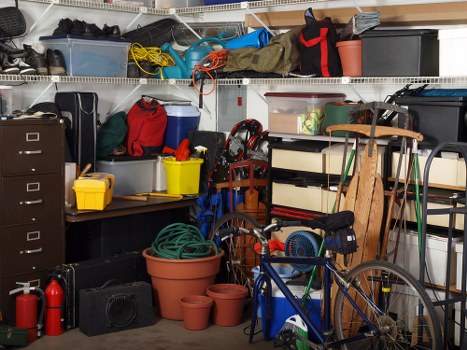
A well-planned clearance starts with separating obvious green waste from items that may need special handling. If a garden contains mixed material, it is usually best to keep bulky items, loose cuttings and any heavy objects in different groups where possible. That does not need to be a perfect system; it simply helps the work move more steadily and allows us to understand the likely time and vehicle space required.
Access is another practical factor. Paths, side returns, rear gates and shared entrances can all affect how the work is carried out, particularly where items are awkward or there is limited room to carry waste. If there are steps, narrow passages or surfaces that need care, mention those details when you enquire. Clear information at the outset helps us plan the clearance properly and avoid unnecessary delays once the job begins.
Some customers want a full tidy after landscaping or pruning, while others only need selected waste removed so they can continue with the rest themselves. We can work to either approach, provided the scope is described clearly. For a straightforward request, the focus is simply on removing the agreed waste and leaving the remaining garden items in place. For a broader clearance, the aim is to empty the space in a careful and orderly way.
Garden waste, recycling and disposal choices
Not all garden waste should be treated in the same way, which is why a mixed outdoor clearance benefits from a sensible sorting process. Green waste such as cuttings, leaves and small branches may be suitable for recycling routes, while damaged plastic, timber, metal and general rubbish need to be handled according to their material type. A careful approach helps reduce avoidable disposal and keeps the job aligned with good waste practices.
In some cases, a garden includes items that are not strictly part of the planting area but still need to be removed before the space can be used properly. Old compost bins, cracked pots, rusting frames and collapsed sheds or panels can all get in the way of a clean finish. We can remove those items where they fit within the agreed clearance, though any particularly specialised materials should always be identified in advance so the job can be assessed properly.
That is one reason a simple description of the garden is more helpful than a vague request for “everything goneâ€. If you explain what is in the space, what is accessible, and whether the job is mainly green waste or a wider outdoor tidy-up, the quotation can reflect the real work more accurately. For a clear price, it is best to provide the detail you already know rather than leaving the scope open-ended.
Preparing for a quotation

To request a quotation, it usually helps to note the types of waste involved, whether the garden is front, rear or both, and whether anything particularly heavy needs to be lifted. Photographs can be useful, especially when they show the overall volume, access points and any awkward items. You do not need to create a formal inventory; a straightforward description is enough for most enquiries, provided it captures the main parts of the job clearly.
If the garden has already been partially cleared, mention what remains so that the estimate reflects the current state rather than the earlier one. Likewise, if anything is being kept for reuse or moved to another part of the property, that can affect the amount of labour involved. The more specific the description, the easier it is to make the quotation sensible. If you prefer, you can send the main details first and add more information later once the scope is clearer.
Pricing and quotes is a useful page if you want to see how a request is usually assessed before you contact us. It explains the kind of factors that influence a quotation, such as quantity, material type and access, which can help you prepare the right information from the outset. For a garden clearance, those basics often matter more than a rough guess at the size of the pile.
How we approach heavier or fuller gardens
Some gardens are easy to reach but have accumulated a large amount of waste over time. Others may be compact yet packed with awkwardly stacked material, which can take longer to move than the space suggests. Our approach is to treat the garden as a working area rather than a single pile, so items can be cleared in a sequence that makes practical sense. That helps keep the job steady, especially when different materials have to be separated.
Where the clearance involves branches, timber or denser garden debris, we focus on handling the load safely and avoiding unnecessary damage to surrounding features. Paths, borders, paving and planted areas may all need different levels of care, depending on how tight the access is. A good clearance balances speed with attention to detail, so the space is tidied without leaving new problems behind. If needed, we can also discuss whether part-clearance or full-clearance is the better fit.
Some customers only need the obvious waste removed so that mowing, planting or light renovation can begin. Others want the entire space stripped back to a usable baseline. Neither approach is inherently better; it depends on what you are planning next. The important thing is to define the outcome you want before the work starts, so the clearance supports the next stage rather than interrupting it.
Outdoor clearances and related removal work
Garden clearance often overlaps with other removal tasks around the property, particularly where outdoor storage and leftover household items have spilled into the yard or side return. In those cases, it may be more practical to combine the garden work with the removal of items from sheds, garages or external storage spaces. A joined-up approach can reduce repeated handling and make it easier to clear the property in one planned visit.
We can also handle garage clearance when the outdoor area connects with clutter in the garage or side access. That is useful where garden tools, broken equipment, packaging and general household items have been stored together and now need sorting. If you are trying to restore usable space across more than one part of the property, it helps to describe the connection between those areas so the job can be quoted accurately.
For some properties, a broader home clearance is a better fit than treating each area separately. If the garden is only one part of a larger clear-out, grouping the work may simplify the planning and reduce duplication. The key is to match the service to the actual task, rather than forcing everything into a narrower request that does not reflect the real workload.
Choosing the right scope for your garden

There are several ways to define a garden clearance, and choosing the right one can make the result more useful. A basic clearance might focus on loose waste and obvious debris only. A fuller version might include dismantled planters, broken fixtures, heavier timber and additional items from the edges of the garden. The right scope depends on what you want left behind and what you would rather not deal with yourself.
If you are unsure how much should be included, it can help to think about the next use of the space. A garden that is about to be replanted may only need the waste removed, while a space being prepared for guests or outdoor furniture may benefit from a more thorough tidy. Be specific about any items you want retained, because that avoids confusion and keeps the clearance aligned with your plans.
When the job includes additional waste beyond the garden, it may be sensible to look at a wider removal page rather than trying to fit everything into one description. For example, if the pile contains mixed household items as well as green waste, a broader removal service may suit the job better. The goal is always the same: a clear, practical result that matches the space you actually have.
About Honor Oak
Honor Oak is an area in south-east London with a name that appears on rail maps, local signs and residential streets across the hilltop and surrounding slopes. It is commonly associated with the higher ground between Peckham Rye and Forest Hill, with the railway station helping to anchor the district in everyday travel patterns. The area has long been shaped by its position near the boundary of several south London neighbourhoods, which gives it a layered identity rather than a single, fixed centre. Its streets combine Victorian and later housing with smaller commercial parades, while nearby green spaces provide open views and walking routes that contrast with the denser built form. Honor Oak Park, One Tree Hill and adjacent local streets contribute to a character that mixes residential calm with a strong sense of place. The hill itself carries historical associations with the royal oak tradition, and the wider district has grown through phases of suburban development and transport change. Local architecture ranges from terrace houses and maisonettes to more recent infill, while the surrounding roads connect toward Peckham, Brockley, Forest Hill and other parts of the borough. The result is a neighbourhood with clear everyday functions, recognisable landmarks and an urban landscape that reflects both long-term settlement and continuing change.
Garden clearance for tidy outdoor use
A good clearance does more than remove waste; it gives the garden a usable shape again. Once the clutter is gone, it is easier to see the boundaries of the space, decide what should be kept, and plan any planting or maintenance that follows. For some customers the main objective is simply to make the area presentable. For others it is to create a clean base for a larger project, from simple landscaping to a more permanent redesign.
We work to the agreed scope so the clearance remains focused on the outcome you want. That can include a light tidy with green waste removed, or a more substantial job involving mixed debris and awkwardly placed items. If there are any restrictions on access, parking, timings or shared pathways, it is sensible to mention them early. Practical details are often what keep the job efficient, because they allow the work to be planned around the property rather than improvised on the day.
If you are ready to move forward, the next step is straightforward: contact us with a description of the garden and the items that need clearing. A concise message is usually enough to begin, and we can then build the quotation around the actual work required. You can also make use of the details already on this site to shape your request before sending it in.
Other clearance pages that may be useful
Depending on what is in the garden, it may be helpful to look at related removal options as well. A garden with old outdoor seating, storage pieces or mixed household clutter may need more than one kind of clearance to reach the right result. Rather than treating those items as an afterthought, it is better to identify them early so the service can be matched to the job as a whole. That saves time when the work starts and avoids uncertainty about what is included.
Related pages can be useful when the boundary between outdoor and indoor waste is blurred. If you are clearing a loft, flat or office alongside a garden, the overall plan can become simpler when each area is described separately but assessed together. Furniture clearance may also help if the garden contains old seating, tables or larger items that are no longer wanted. The right combination depends entirely on the mix of waste, so it is sensible to choose based on the items rather than the label alone.
For a final check, think about the result you want to see once the work is done: a clear path, an emptied corner, a tidier border or a fully cleared outdoor area. Then send the details through and ask for a quotation. If the garden includes mixed items, mention that in the first message so the scope can be priced properly and the clearance can be arranged with fewer surprises.